


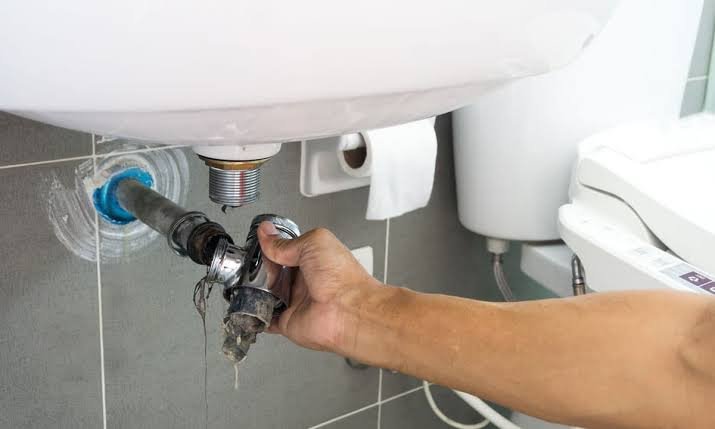
You have removed the hair from the bathroom sink stopper, cleaned the drain opening, and checked the P-trap, but the water still refuses to drain. What should you do next?
When a bathroom sink clogged past trap problem occurs, the blockage may be inside the drain arm or a pipe farther along the plumbing system. This can make the problem harder to solve because the obstruction is no longer visible beneath the sink.
Fortunately, not every deep clog requires major plumbing work. In some cases, a suitable drain snake can remove the blockage. However, recurring clogs, damaged pipes, and problems affecting several fixtures may need professional attention.
In this guide, you will learn how to recognize a blockage beyond the P-trap, identify its likely causes, try safe troubleshooting steps, and decide when to call a plumber.
What Does It Mean When a Bathroom Sink Is Clogged Past the Trap?
The P-trap is the curved pipe beneath your sink. It holds a small amount of water to prevent sewer gases from entering your bathroom.
The trap also catches some hair, soap residue, and small objects before they travel farther into the drainage system. However, it cannot stop every piece of debris.
When the trap is clear but water still drains slowly, the blockage may be farther downstream.
Understanding the Drainpipe Layout
A typical bathroom sink drainage system includes several connected parts:
- Drain opening: The opening where water leaves the sink.
- Stopper assembly: The mechanism used to open and close the drain.
- P-trap: The curved section beneath the basin.
- Drain arm: The pipe connecting the trap to the wall.
- Branch drain: A larger pipe that carries wastewater away from the fixture.
A clog may form in any of these sections. Therefore, cleaning the P-trap does not automatically mean the entire drain is clear.
If the blockage is inside a pipe behind the wall, reaching it may require a longer drain-cleaning tool or professional equipment.
7 Signs Your Bathroom Sink Is Clogged Past the Trap
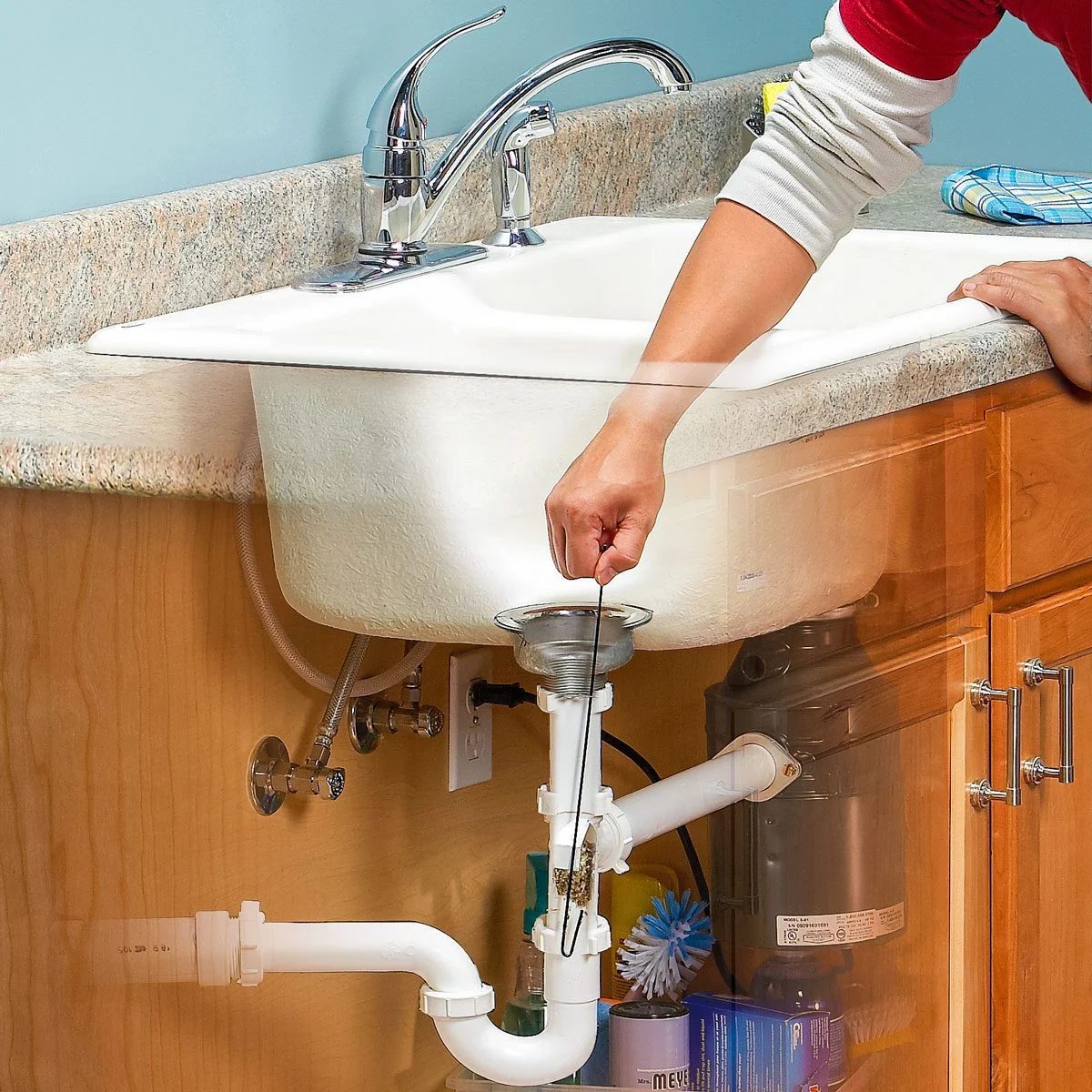
Recognizing the warning signs can help you decide whether to continue with basic checks or arrange a plumbing inspection.
1. The Sink Still Drains Slowly After Cleaning
Hair and soap buildup around the stopper are common causes of slow drainage. If removing this material makes little difference, the blockage may be farther down the pipe.
For example, water may drain slightly faster after cleaning the stopper but still collect in the basin during normal use. This suggests that some restriction may remain.
However, slow drainage alone does not confirm that the clog is beyond the P-trap. A partially blocked trap or a venting problem can produce similar symptoms.
2. The P-Trap Is Clear
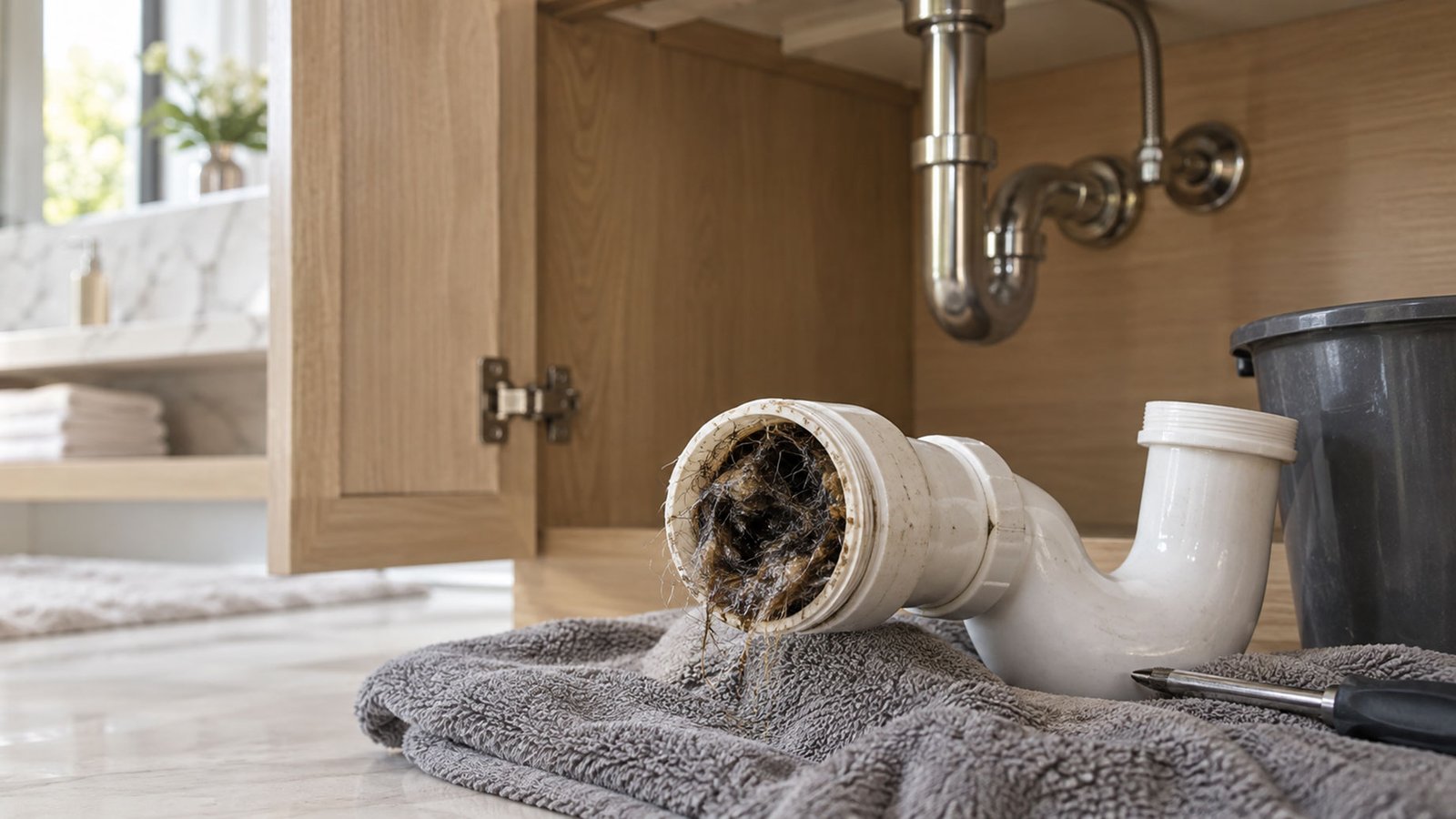
If you have safely inspected and cleaned the P-trap but the sink remains blocked, the drain arm or a downstream pipe becomes a reasonable place to investigate.
Before removing anything else, make sure the trap has been reinstalled correctly and that its connections are not leaking.
If the drain still does not work, avoid repeatedly taking the trap apart. A suitable drain snake or professional inspection may be the next step.
3. Water Backs Up Quickly
A severe blockage can prevent water from passing through the pipe. As a result, the basin may fill almost as soon as you turn on the faucet.
Stop running the water if the basin begins to fill. Continuing to use the sink can cause an overflow and damage the cabinet or floor.
If water backs up even when you are not using the sink, check whether another nearby fixture is draining. Wastewater returning through the sink may indicate a problem in a shared drain line.
4. You Hear Gurgling Sounds
Gurgling can occur when air moves through a partially blocked drain. It may also point to a venting issue or a blockage farther along the plumbing system.
Pay attention to when the sound occurs. For instance, if the sink gurgles when the bathtub drains, the fixtures may share a drainage line affected by a blockage.
Because several problems can cause gurgling, the sound should be treated as a clue rather than a definite diagnosis.
5. Other Bathroom Fixtures Drain Slowly
If the sink, shower, and bathtub all drain poorly, the problem may involve a shared branch drain rather than the sink alone.
This is an important distinction. A clog limited to the sink is often easier to address than one affecting several connected fixtures.
When multiple drains are affected, stop using the fixtures if wastewater is backing up and contact a plumber.
6. The Blockage Keeps Returning
A recurring clog may mean that only part of the buildup has been removed. Hair, soap residue, and other debris can remain farther inside the pipe and collect more material over time.
However, repeated blockages can also point to mineral deposits, damaged pipes, poor drainage slope, or unsuitable plumbing fittings.
Instead of relying on stronger chemicals each time, investigate why the clog returns.
7. An Unpleasant Drain Odor Persists
Organic debris trapped inside a drain can create unpleasant smells. Nevertheless, odors may also come from a dirty stopper, a dry P-trap, or another plumbing problem.
If a sewage-like smell continues despite ordinary cleaning, professional inspection is sensible. Do not assume that a deep clog is the only possible cause.
What Causes a Blockage Beyond the P-Trap?
Several types of debris and plumbing problems can create a deeper drain blockage.
Hair and Soap Residue
Hair can catch on the inside of a pipe and combine with soap, toothpaste, and skin oils. Over time, this mixture can form a thick mass that slows the flow of water.
Some material may travel past the P-trap, especially if it is small or the drain has been used for a long time without cleaning.
Hard-Water Deposits
Hard water contains dissolved minerals, including calcium and magnesium. These minerals can build up on pipe surfaces over time.
The deposits may narrow the space available for water to flow and create rough areas where debris can collect.
If the drain has become gradually slower over several months, mineral buildup may be worth investigating.
Foreign Objects
Small objects can enter a bathroom drain accidentally. Examples include cotton swabs, dental floss, small plastic items, and pieces of packaging.
Some objects become trapped in the P-trap, while others may travel farther into the pipe. Avoid pushing a foreign object deeper with an improvised tool.
Damaged or Poorly Installed Pipes
A drainpipe may become damaged, corroded, or misaligned. Poor pipe slope and unsuitable fittings can also contribute to repeated drainage problems.
These issues cannot always be fixed by removing debris. A plumber may need to inspect the pipe to determine whether it needs cleaning, adjustment, or replacement.
How to Fix a Bathroom Sink Clogged Past Trap
If you suspect the obstruction is beyond the trap, begin with safe checks. Do not force water or tools into a drain that is completely blocked.
Step 1: Stop Using the Sink
Turn off the faucet and remove any standing water you can safely collect. Place towels around the work area to protect the cabinet and floor.
If water is leaking from the wall, pooling beneath the sink, or backing up through another fixture, stop DIY work and contact a plumber.
Step 2: Confirm That the P-Trap Is Clear
If you have already removed and cleaned the trap, check that it is correctly reinstalled and that the connections are secure.
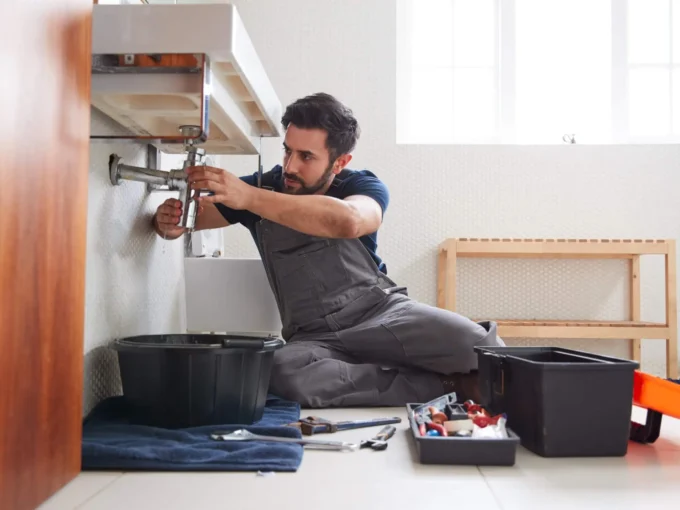
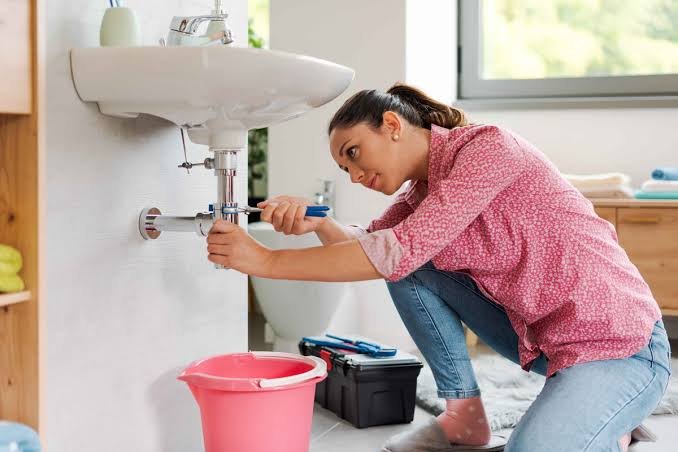
If you have not inspected it and feel comfortable doing so, place a bucket underneath before loosening the connections. The trap contains water and may release debris.
Do not attempt this if the pipes are corroded, fragile, difficult to reach, or unfamiliar. A damaged connection can create a new leak.
Step 3: Try a Suitable Hand-Operated Drain Snake
A hand-operated drain snake may reach a blockage inside the drain arm or a nearby section of pipe.
Choose a tool intended for household sink drains and follow its instructions. Feed it into the accessible drain slowly, turning the handle as directed.
If the tool meets strong resistance, becomes stuck, or seems to be catching on a fitting, do not force it. Incorrect use can damage some pipes or push the obstruction farther downstream.
A short snake may not reach a deeper blockage. In that situation, a plumber may need to use longer equipment.
Step 4: Remove Debris Carefully
If the snake catches hair or other material, withdraw it slowly and clean the tool according to the manufacturer’s instructions.
Avoid pulling aggressively. If the tool catches on an internal component or becomes difficult to remove, stop rather than risking damage to the pipe.
After removing debris, restore the plumbing connections if they were disturbed. Check for leaks before using the sink normally.
Step 5: Test the Drain Gradually
Once you believe the blockage has been cleared, run a small amount of water and observe the drainage.
If the water moves away normally, increase the flow gradually while checking beneath the sink for leaks.
If the basin begins filling again, turn off the faucet. The blockage may only be partly cleared or may be farther downstream.
Step 6: Call a Plumber if the Blockage Remains
A plumber can use professional drain-cleaning tools to reach deeper sections of pipe. If the cause is unclear or the blockage repeatedly returns, a drain camera may help identify the problem.
Depending on the findings, the solution may involve mechanical cleaning, removing a foreign object, or repairing a damaged pipe.
Can a Plunger Clear a Clog Past the P-Trap?
A sink plunger can sometimes loosen a nearby blockage, but it may not work when the obstruction is deep inside the drainage system.
If you try plunging, use a plunger designed for sinks. Cover the overflow opening with a damp cloth when appropriate so that pressure is directed toward the drain.
Use controlled movements rather than excessive force. If chemical drain cleaner has already been used, do not plunge because contaminated liquid may splash onto your skin or into your eyes.
If plunging does not improve drainage after a reasonable attempt, move on to an appropriate inspection or call a plumber.
Why You Should Avoid Harsh Chemical Drain Cleaners
Chemical drain cleaners may seem like a quick solution. However, they can create safety risks and may not remove a solid obstruction.
Some products can damage certain plumbing materials or finishes when used incorrectly. They can also cause serious burns if they splash onto skin or eyes.
Never mix different drain-cleaning products. Combining chemicals can produce dangerous reactions.
If you have already poured a chemical cleaner into the drain, tell the plumber before they start work. Follow the product label and do not use tools that could cause the liquid to splash.
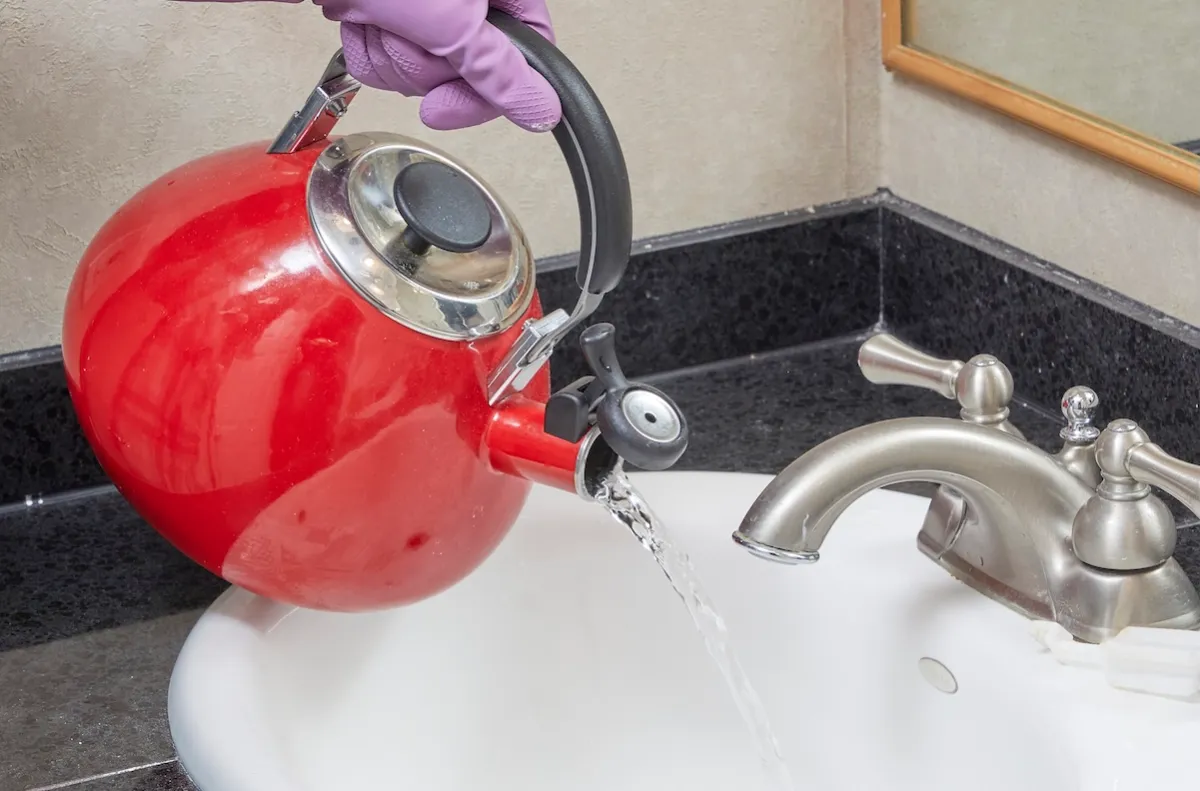
Boiling water is not a reliable solution either. Very hot water may damage some plastic components and may do little to remove a deep or solid blockage.
Bathroom Sink Clogged Behind Wall: What to Do Next
A bathroom sink clogged behind wall problem can be difficult to diagnose without suitable tools because the affected pipe is hidden.
If the stopper and P-trap are clear but the sink remains blocked, the drain arm or a larger pipe may be obstructed. However, a venting problem or damaged pipe can create similar symptoms.
At this stage, avoid removing wall panels or cutting into the wall yourself. A plumber can assess whether a drain snake, camera inspection, or another method is needed.
This is especially important when multiple fixtures are affected or you notice water stains, damp drywall, or a sewage smell.
How Much Does It Cost to Clear a Deep Drain Blockage?
The price depends on your location, the plumber’s rates, the depth of the blockage, and the equipment needed.
A straightforward clog in an accessible pipe may require less work than a blockage inside a wall or shared drain line.
Before approving the repair, ask the plumber about:
- The inspection or call-out fee
- The expected cost of drain cleaning
- Whether a camera inspection is necessary
- Possible additional charges if a pipe is damaged
- Whether the work includes testing for leaks afterward
For example, a plumber may clear a blockage with a drain snake during a routine visit. However, a damaged pipe behind a finished wall may require extra labor and access work.
Request an estimate and ask the plumber to explain the cause of the blockage. Understanding the underlying problem can help you avoid paying repeatedly for temporary fixes.
How to Prevent Another Deep Bathroom Sink Clog
Once your sink drains normally again, a few simple habits can reduce the risk of another blockage.
Clean the Stopper Regularly
Hair and soap residue often collect around the stopper. Remove visible debris before it travels farther into the pipe.
Use a Drain Catcher
A suitable drain catcher can help keep hair and small objects out of the plumbing. Clean it regularly so it does not restrict water flow.
Keep Foreign Objects Out of the Drain
Avoid rinsing cotton swabs, dental floss, packaging, and other solid waste into the sink. These items can catch on existing buildup and contribute to a clog.
Respond to Slow Drainage Early
If the sink begins draining slowly, inspect the stopper and other accessible components. Early cleaning may prevent a small obstruction from becoming a more serious blockage.
Investigate Recurring Problems
If the same sink clogs repeatedly despite regular cleaning, arrange a professional inspection. Mineral deposits, pipe damage, or installation issues may require more than routine maintenance.
Conclusion
A bathroom sink that remains blocked after the P-trap is clear may have an obstruction farther down the drainpipe. Hair, soap residue, mineral deposits, foreign objects, and damaged pipes can all contribute to this problem.
Start by checking the stopper and accessible plumbing. If appropriate, use a suitable hand-operated drain snake carefully and test the drain gradually afterward.
However, do not force tools into the pipe or rely on harsh chemical treatments. If several fixtures are affected, wastewater backs up, or the blockage keeps returning, a qualified plumber can identify the cause and recommend the right repair.
The key takeaway: Confirm where the blockage is before attempting a deeper repair. A careful diagnosis can protect your plumbing, reduce water damage, and help prevent the same problem from returning.
Frequently Asked Questions
1. How do I know if my bathroom sink is clogged past the P-trap?
If the stopper and P-trap are clear but the sink still drains slowly, the blockage may be farther down the pipe. Gurgling or backups in other fixtures can provide additional clues.
2. How to unclog bathroom sink clogged with hair?
Remove visible hair from the stopper using a suitable cleaning tool. If the blockage remains, a sink plunger or an appropriate hand-operated drain snake may help, provided you have not used a hazardous chemical cleaner.
3. Can I clear a deep bathroom sink clog myself?
A hand-operated drain snake may clear some blockages beyond the trap. However, deep, recurring, or difficult obstructions may require professional equipment and inspection.
4. Why does my sink clog again after cleaning?
Some debris may remain farther inside the pipe. Mineral buildup, foreign objects, damaged pipes, or poor drainage design can also cause recurring blockages.
5. When is a clogged bathroom sink an emergency?
A simple slow drain is not always an emergency. However, wastewater backing up, water leaking into a wall, or a leak that threatens the cabinet or floor requires prompt attention.




Leave a comment