



You turn on the faucet, wash your hands, and notice that the water is taking longer than usual to disappear. At first, it seems like a minor problem. However, a few days later, the water begins collecting around the drain, and your bathroom routine becomes frustrating.
So, why is my bathroom sink clogged when you have not dropped anything unusual into it?
The answer is often hidden inside the drain. Hair, soap residue, toothpaste, and other debris can build up gradually. In some cases, the blockage is deeper in the plumbing, where a quick cleaning will not solve it.
The good news is that you can often identify the likely cause without taking apart the entire sink. This guide explains seven common reasons for bathroom sink clogs, how to check each one, and which solutions are safe to try at home.
7 Common Reasons Your Bathroom Sink Is Clogged
A blocked bathroom sink does not always have one obvious cause. Sometimes, several small problems combine to restrict water flow.
Understanding the likely source helps you avoid wasting time on methods that cannot reach the blockage.
1. Hair Is Trapped Inside the Drain

Hair is one of the most common reasons a bathroom sink begins draining slowly. Loose strands collect around the stopper, then catch soap residue and other small particles.
Over time, this tangled material becomes thicker and restricts the passage of water. Longer hair may wrap around the stopper mechanism, while shorter hairs from shaving can mix with toothpaste and grooming products.
Signs that hair may be causing the clog:
- Water drains more slowly than usual.
- You can see strands around the drain opening.
- The sink improves after you clean the stopper but becomes slow again.
- A plastic drain snake pulls out tangled hair.
What to do: Start by removing visible hair and cleaning the stopper. If the drain remains slow, use a plastic drain-cleaning tool designed for bathroom sinks.
If you are wondering how to unclog bathroom sink clogged with hair, removing the material physically is generally more effective than relying on homemade chemical mixtures.
2. Soap Scum Has Built Up Inside the Pipe
Soap may look harmless when it washes down the drain, but residue can remain on the inside of the plumbing. This film can trap hair, skin oils, toothpaste, and dirt.
As the buildup grows, the opening available for water becomes smaller. That is why a sink may drain normally for months before suddenly becoming noticeably slow.
Hard water can also contribute to mineral deposits in plumbing fixtures and pipes. These deposits are different from soap residue, although both may affect drainage over time.
What to do: Remove visible debris first. Then use a suitable manual drain snake to clear loose material. Warm tap water may help rinse away some residue after the main obstruction has been removed.
However, flushing water through a completely blocked drain will not solve the problem. If water is standing in the basin, remove some of it before attempting a repair.
3. The Sink Stopper Is Blocked
Sometimes, the problem is not deep inside the pipe at all. The stopper itself may be covered with hair and sticky residue.
Pop-up stoppers are especially likely to collect debris because hair can wrap around the moving parts. Even when the drain opening looks clear, buildup underneath the stopper may restrict water flow.
How to check it:
- Look closely at the drain opening.
- Remove the stopper if its design allows it.
- Check for hair and residue underneath.
- Clean the stopper with a small brush.
- Reinstall it and test the drainage.
Some stoppers connect to a rod beneath the sink. If yours does, consult the manufacturer’s instructions before disconnecting anything.
Practical insight: Always inspect the stopper before removing the P-trap. It is often the easiest place to find and remove the blockage.
4. The P-Trap Contains Hair and Debris
The P-trap is the curved section of pipe beneath the sink. It holds a small amount of water that helps stop sewer gases from entering your bathroom.
Unfortunately, hair, soap residue, and small objects can also collect inside this curve.
A blockage in the P-trap may cause slow drainage even when the stopper and drain opening look clean.
What you can do:
- Place a bucket beneath the trap.
- Put on rubber gloves.
- Carefully loosen removable connections if you are comfortable doing so.
- Allow the trapped water to drain into the bucket.
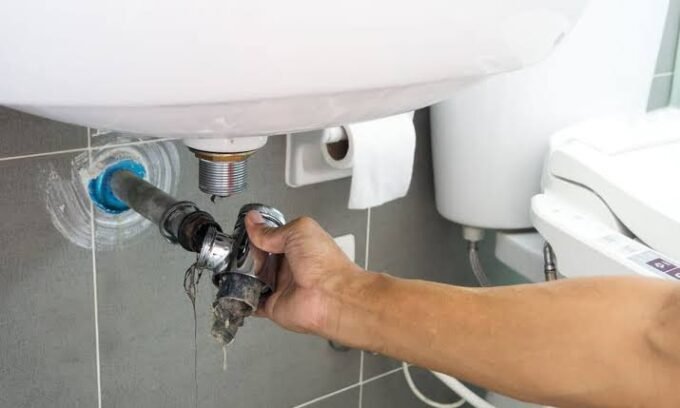
- Remove debris and clean the pipe.
- Reinstall the trap and check for leaks.
Do not force corroded metal connections or brittle plastic fittings. If the trap is glued in place or looks damaged, contact a plumber instead.
Once the trap is reinstalled, run water and inspect every connection. Even a small leak can damage the cabinet beneath the sink.
5. A Deeper Drainpipe Is Blocked
If the stopper and P-trap are clear, the obstruction may be farther along the drain line. Hair and residue can travel beyond the first section of pipe before collecting at a fitting or another narrow point.
In that situation, cleaning only the visible opening will not reach the blockage.
A suitable manual drain auger may help with some deeper clogs. However, forcing a tool into the pipe can damage plumbing or push debris farther downstream.
If you suspect a bathroom sink clogged past the trap, pay attention to repeated blockages, strong resistance when using a drain tool, or drainage problems that return shortly after cleaning.
A plumber can inspect the line and determine whether it needs mechanical cleaning or further investigation.
6. The Drain Has a Problem Behind the Wall
The pipes beneath your sink connect to drainage lines that may run inside the wall. A blockage in this area is harder to reach than hair around the stopper or inside the P-trap.
Possible warning signs include recurring slow drainage, unusual gurgling, or other nearby fixtures draining poorly.
A bathroom sink clogged behind the wall is not something you can confirm from slow drainage alone. Similar symptoms can come from an ordinary clog closer to the sink.
What to do: Check the accessible parts of the drain first. If they are clear and the problem continues, a plumber may use a drain auger or inspection camera to locate the obstruction.
Avoid cutting into the wall without a proper diagnosis. The problem may be in an accessible section of pipe, and unnecessary opening can increase repair costs.
7. Several Fixtures Share the Same Drainage Problem
Does your bathroom sink drain slowly while the shower or bathtub also backs up? If so, the problem may involve a shared branch line or a larger drainage system.
A single clogged sink usually points to a local obstruction. However, several affected fixtures suggest that the problem may be farther downstream.
Look for these signs:
- Water backs up into another fixture.
- Multiple drains become slow at the same time.
- Gurgling occurs when water flows elsewhere.
- Unpleasant sewer odors come from more than one drain.
These symptoms do not prove that the main drain is blocked, but they deserve attention.
Best solution: Stop using affected fixtures if wastewater is backing up and contact a qualified plumber. Avoid repeatedly treating each drain separately when the underlying problem may be shared.
How to Identify the Cause of a Clogged Bathroom Sink
Before you begin a repair, use the symptoms to narrow down the likely location of the blockage.
| Symptom | Possible cause | Recommended first step |
| Hair is visible around the drain | Stopper or drain-opening buildup | Remove visible hair |
| Water drains slowly but eventually clears | Partial blockage | Clean the stopper and use a suitable drain snake |
| Water does not drain at all | Dense or deeper obstruction | Remove standing water and inspect accessible parts |
| Sink stays clogged after the P-trap is cleaned | Blockage farther downstream | Consider a manual auger or professional inspection |
| Several fixtures drain slowly | Shared drainage problem | Contact a plumber |
| Water leaks beneath the sink after cleaning | Loose connection or damaged seal | Stop using the sink until the leak is corrected |
This table is a starting point, not a definite diagnosis. Plumbing layouts vary, and the same symptom can have several causes.
How to Fix a Clogged Bathroom Sink Safely
Once you have identified the likely problem, start with the least invasive method.
Step 1: Remove Visible Debris
Wear rubber gloves and inspect the stopper. Remove hair and residue that you can reach safely.
Do not use a knife, sharp wire, or other improvised tool. These objects may scratch the drain, become stuck, or damage the stopper mechanism.
Step 2: Use a Plastic Drain Snake
Insert a plastic drain snake slowly into the opening. Move it gently until it catches debris, then pull it out carefully.
Repeat only as needed. If the tool meets strong resistance, do not force it deeper.
Step 3: Try a Sink Plunger
A small sink plunger can loosen some blockages by creating pressure changes inside the drain.
Make sure the plunger forms a seal over the drain. If your sink has an overflow opening, cover it with a damp cloth to help maintain pressure.
Do not plunge after using a chemical drain cleaner because the liquid could splash onto your skin or eyes.
Step 4: Inspect the P-Trap if Necessary
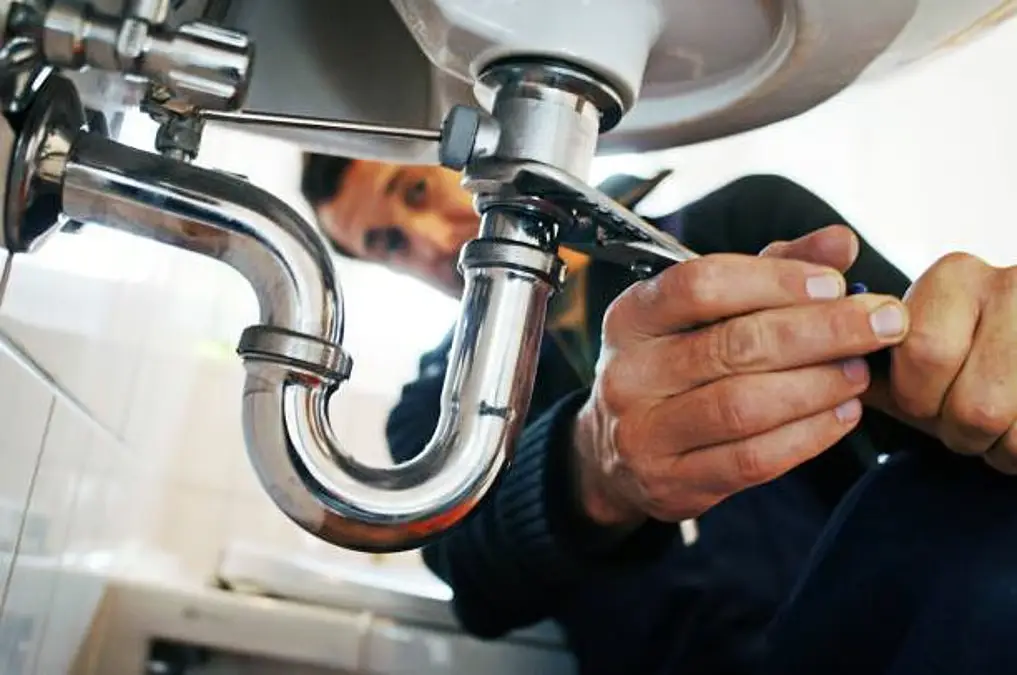
If the blockage remains, the P-trap may need cleaning. Place a bucket beneath it before loosening any removable connections.
If the pipe is corroded, damaged, or difficult to remove, stop and seek professional help.
Step 5: Know When to Stop
DIY cleaning is suitable for many simple clogs, but it cannot solve every plumbing problem.
If the sink remains blocked, several fixtures are affected, or water backs up unexpectedly, further attempts may make the situation worse. A professional can determine the cause and choose the right equipment.
What Should You Avoid When Your Sink Is Clogged?
Some common shortcuts can create additional problems.
Never mix drain-cleaning chemicals. Combining bleach, acidic cleaners, or other products can produce dangerous reactions. Follow the product label and never add a second cleaner to a drain that already contains chemicals.
Avoid pouring boiling water into the drain. Very hot water may damage certain plastic components or stress some fixtures. Warm tap water is a safer choice for routine flushing.
Do not depend on baking soda and vinegar for severe clogs. Although the mixture fizzes, it does not reliably dissolve a dense mass of hair.
Do not force plumbing parts apart. Older metal pipes and plastic fittings can crack when handled roughly.
Moreover, if you have already used a chemical drain opener, tell your plumber which product you used. This information helps them take suitable precautions.
How to Prevent Bathroom Sink Clogs in the Future
Once the sink drains properly, a few small habits can reduce the chance of another blockage.
Install a Drain Hair Catcher
A removable screen catches loose strands before they enter the plumbing. Choose a model that fits your sink and does not interfere with the stopper.
Clean it regularly. Otherwise, accumulated hair may slow the flow of water through the catcher itself.
Clean the Stopper Every Week
Remove visible hair and soap residue at least once a week. If several people share the bathroom, you may need to do this more often.
This quick task can prevent debris from collecting deeper inside the drain.
Keep Grooming Debris Out of the Sink
After shaving or trimming hair, wipe loose strands into the trash instead of rinsing large clumps down the drain.
Also, avoid washing cotton swabs, tissues, and other small objects into the sink. They may become trapped in existing debris.
Respond to Slow Drainage Early
A small slowdown can be an early warning sign. Clean the stopper and inspect the drain before the water stops moving altogether.
If the same clog returns repeatedly, look beyond the visible opening rather than relying on temporary fixes.
Check Beneath the Sink
Occasionally inspect the pipes and connections for moisture, corrosion, or damage. Fixing a small leak early can help prevent damage to the cabinet and nearby surfaces.
When Should You Call a Plumber?
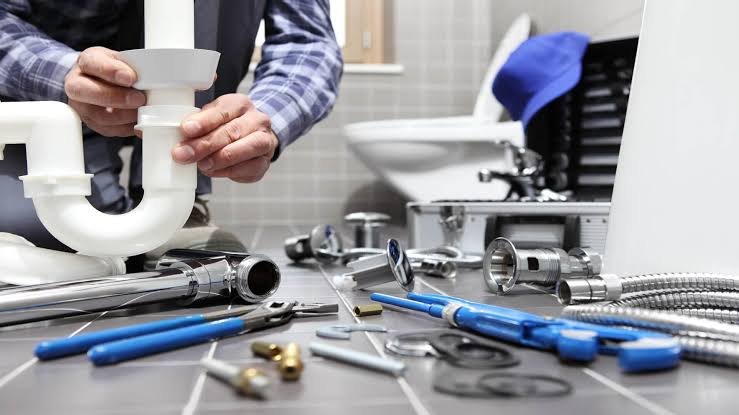
You do not need professional help for every slow sink. However, some warning signs suggest that the problem needs further investigation.
Contact a plumber if:
- The sink remains blocked after basic cleaning.
- The clog returns shortly after removal.
- Several fixtures drain slowly or back up.
- You notice sewage odors or unusual gurgling.
- Pipes are cracked, corroded, or leaking.
- Water backs up into another fixture when the sink is used.
A plumber may use a manual or powered drain auger, or a drain camera, depending on the situation. The cost depends on the blockage, accessibility, local labor rates, and whether pipe repairs are required.
Ask for an estimate before authorizing extensive work. If the issue involves a shared drain line, resolving the underlying cause is more useful than repeatedly clearing the sink alone.
Conclusion: Find the Cause Before Trying Another Fix
When you ask, why is my bathroom sink clogged, the most useful answer comes from checking the symptoms and locating the blockage. Hair, soap residue, a dirty stopper, and a blocked P-trap are common causes, but a deeper drain problem may require professional attention.
Start with visible debris, use a suitable drain snake if needed, and inspect accessible plumbing carefully. Most importantly, avoid harsh chemical combinations and do not force tools into the pipe.
The key takeaway: A little routine maintenance can prevent many bathroom sink clogs. If the problem keeps returning, investigate the underlying cause instead of repeating the same temporary fix.
Frequently Asked Questions
1. Why is my bathroom sink clogged if I can see no hair?
The blockage may be beneath the stopper, inside the P-trap, or farther down the drain line. Soap residue and mineral buildup can also restrict water flow.
2. Can a clogged bathroom sink fix itself?
A minor, loose obstruction may shift temporarily, but a persistent clog usually needs to be removed. Waiting can allow more debris to collect and make the blockage harder to clear.
3. Is a slow-draining sink an emergency?
Usually, a single slow sink is not an emergency. However, sewage backup, leaking pipes, or several affected fixtures require prompt attention, especially if wastewater is entering the bathroom.
4. How often should I clean my bathroom sink drain?
Inspect the stopper weekly and remove visible hair as needed. A drain catcher can also help reduce buildup, particularly in a bathroom used by several people.
5. Should I use chemical drain cleaner for every clog?
No. Chemical cleaners may not remove dense hair clogs and can create hazards if misused. Start with safe mechanical cleaning when appropriate, and follow product instructions carefully.










Leave a comment